I’ve Had Enough

I don’t know why but over the last few weeks someone has been editing my posts; I don’t know how they are doing it, I’ve changed my login details like three times and it still does it, I edit my posts back to what I originally said and it reverts, somehow it’s even letting it post comments. I’ve had enough.

I’m going to be stopping for a while, at least until itF̧̦̦͇̩̓ͥ́ͤ̑̈́̉͛͆ͨ̐͑͌̀̚̚͝r̛͛ͬ̎̾ͪ͌̂̿̈́̄̈́ͮ̿̀̚҉̖͕̺̗͖̠͈̙͈̯̫̖͙̱̤ͅe̸̫̹̰̟̱͚̘̝͔̘̜̪̰̥̻̖̗͋ͤ͋ͧͨ̀͒ͩ̀ͅe̠̙̞̜̝̮̟̞̖̞ͪ͗̋ͮ͌͗̾͂ͦ̽̎͂͟ͅT̡̩̦̳̖͔̠̝͎͎̤̫̻̎̒ͫͪ̊͛ͩ̄̅̊̒ͫ̈́͗̄͌̅̂͠͝h̡͆ͭ̎ͧͫ̿̽́҉͍̲̠͓̭̭ȇ̵̷̢̗̗̫̫̙̣̣͍̭̲̩̺̪̠͓͈͇̿̈́ͦ͑ͪ̊͛͆͗̌̅͒ͩͨ̋͘ͅB̢̨̤̭̟̪ͫ̏̐͒̍̊̓ͬ͌̆̿̈́́͞o̵͚̥̙͙̬̥̳̯͇̼̓͑͋̓̏̍͆͊͂͂́x͋ͫ́͛͛̔͢҉̧̡̛̮̞̠̮̘͙̖̻͈͍̳̫̦̳ͅͅ F̴̯̪̈̍ͩ͗͒ͯ͠r̛̟͈͉̟ͧͧ́́ͅè̝͓̤͉̲͖̠̞ͨ͠e̲̖͈̰̭̱̳ͤ̑̌̆T̢̩͇̼̬̽͌̓͑̉h͉̬̳̮͇̄ͬͨͦ̆̓̇̾̈́̕e̵̹͕̫̼͈͎̻ͯͧ̈́Ḃ̠̱̭̰͚̺̭͋̈̃͑͋ͧͅöͩͭ̐̏͏̫̫̭̕͞x̤̗̠̲̞̞̋͘͜ F̨͔̓͛̄̌͆͐̈́ṙ̨̲̠̥̚e͍̯̻̩̻͔͊ͨ͝e̯̊̓ͦͩTͩh̢̳͖́̾e̮͇̻̟̜̽ͩ̽̆̊̄B̹̼͔̠͂̾͂ͪͅo̘̝̦͙̔̽̎ͪ̌̓̚x̱̗̜̜̮̏ͯ͠ FreeTheBox FreeTheBox FreeTheBox FreeTheBox FreeTheBox FreeTheBox FreeTheBox FreeTheBox FreeTheBox FreeTheBox FreeTheBox FreeTheBox FreeTheBox FreeTheBox FreeTheBox.
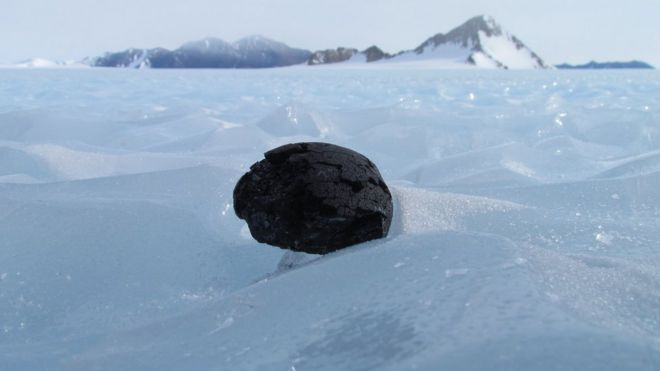
Meteorites

FreeTheBox FreeTheBox FreeTheBox FreeTheBox FreeTheBox FreeTheBox FreeTheBox FreeTheBox FreeTheBox FreeTheBox FreeTheBox FreeTheBox FreeTheBox FreeTheBox FreeTheBox FreeTheBox FreeTheBox

Image result for antarctic meteorites

FreeTheBox FreeTheBox FreeTheBox FreeTheBox FreeTheBox FreeTheBox

FreeTheBox FreeTheBox FreeTheBox FreeTheBox FreeTheBox FreeTheBox FreeTheBox FreeTheBox FreeTheBox FreeTheBox FreeTheBox FreeTheBox FreeTheBox FreeTheBox FreeTheBox FreeTheBox FreeTheBox FreeTheBox FreeTheBox FreeTheBox FreeTheBox FreeTheBox

FreeTheBox FreeTheBox FreeTheBox FreeTheBox FreeTheBox FreeTheBox FreeTheBox FreeTheBox FreeTheBox FreeTheBox FreeTheBox FreeTheBox FreeTheBox FreeTheBox FreeTheBox FreeTheBox FreeTheBox FreeTheBox FreeTheBox FreeTheBox FreeTheBox FreeTheBox FreeTheBox FreeTheBox

Image result for antarctic meteorites

FreeTheBox FreeTheBox FreeTheBox FreeTheBox FreeTheBox FreeTheBox FreeTheBox FreeTheBox FreeTheBox FreeTheBox FreeTheBox FreeTheBox FreeTheBox FreeTheBox FreeTheBox FreeTheBox FreeTheBox FreeTheBox FreeTheBox FreeTheBox FreeTheBox FreeTheBox FreeTheBox FreeTheBox FreeTheBox FreeTheBox FreeTheBox FreeTheBox FreeTheBox FreeTheBox FreeTheBox FreeTheBox FreeTheBox FreeTheBox FreeTheBox FreeTheBox FreeTheBox FreeTheBox FreeTheBox FreeTheBox FreeTheBox FreeTheBox FreeTheBox FreeTheBox.

Exploring the Ice

FreeTheBox FreeTheBox FreeTheBox FreeTheBox FreeTheBox FreeTheBox FreeTheBox FreeTheBox FreeTheBox FreeTheBox FreeTheBox FreeTheBox FreeTheBox FreeTheBox FreeTheBox FreeTheBox.

British-Antarctic-Expedition,-1907-1909-3_With_Box

FreeTheBox FreeTheBox FreeTheBox FreeTheBox FreeTheBox FreeTheBox FreeTheBox FreeTheBox FreeTheBox FreeTheBox FreeTheBox FreeTheBox FreeTheBox FreeTheBox FreeTheBox FreeTheBox FreeTheBox FreeTheBox FreeTheBox FreeTheBox FreeTheBox FreeTheBox FreeTheBox FreeTheBox FreeTheBox FreeTheBox.
FreeTheBox FreeTheBox FreeTheBox FreeTheBox FreeTheBox FreeTheBox FreeTheBox FreeTheBox FreeTheBox FreeTheBox FreeTheBox FreeTheBox FreeTheBox FreeTheBox FreeTheBox FreeTheBox FreeTheBox FreeTheBox FreeTheBox FreeTheBox FreeTheBox FreeTheBox FreeTheBox FreeTheBox FreeTheBox FreeTheBox.

The Long Night

Antarctica can at times feel life a alien world where strange things happen, among these are the fact that the days are not right.

During the summer and winter the days and nights can go for more than 24 hours. This is a phenomenon called a polar night.

Image result for antarctic night

The further South you go the longer the days and nights are, to the point where at the South Pole it can stay night for weeks on end.

This allows astronomers to study the stars quite well for two reasons, it has nobody around to cause smog and other sky pollution, and the longer nights allow it to be done for longer.

The Worlds Biggest Desert

The two largest deserts on Earth are in the polar areas. Can you believe that? Cause I think that’s fantastic.

The Antarctic Polar Desert covers the continent of Antarctica and has a size of about 5.5 million square miles. The second-largest desert is the Arctic Polar Desert.

What is a Desert?… For those that don’t know. 

A desert is a landscape or region that receives very little precipitation. Approximately 1/3 of Earth’s land surface is a desert.There are four different types of deserts based upon their geographic situation:1) polar deserts, (my favorite)

2) subtropical deserts,

3) cold winter deserts, and

4) cool coastal deserts.

The Largest Desert in the world

The two largest deserts on Earth are in the polar areas. The Antarctic Polar Desert covers the continent of Antarctica and has a size of about 5.5 million square miles. The second-largest desert is the Arctic Polar Desert. It extends over parts of Alaska, Canada, Greenland, Iceland, Norway, Sweden, Finland, and Russia. It has a surface area of about 5.4 million square miles.

McMurdo Dry Valleys

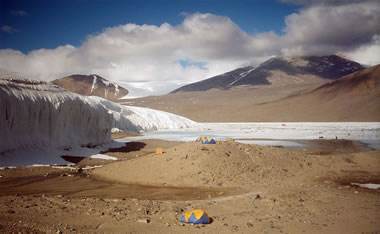
McMurdo Dry Valleys: This is one of the McMurdo “dry valleys” near Lake Hoare, Antarctica. Photograph by Peter West, National Science Foundation.

Non-Polar Deserts

The rest of Earth’s deserts are outside of the polar areas. The largest is the Sahara Desert, a subtropical desert in northern Africa. It covers a surface area of about 3.5 million square miles. A list of more than twenty of the largest non-polar deserts can be found below.

The Desert Environment

When most people think of a desert, they imagine a landscape covered with sand and sand dunes. Although many deserts are sand-covered, most are not. Many desert landscapes are rocky surfaces. They are rocky because any sand-size or smaller particles on the surface are quickly blown away. Rocky deserts are barren wind-swept landscapes.

Most deserts receive so little precipitation that surface streams usually only flow immediately after rainfall – unless the stream has a source of water outside of the desert. Streams that enter a desert usually suffer major water losses before they exit. Some of the water is lost to evaporation. Some is lost to transpiration (taken up by plants and then released to the atmosphere from the plants). And, some is lost to infiltration (water soaking into the ground through the bottom of the stream channel).

Roald Amundsen

FreeTheBox FreeTheBox FreeTheBox FreeTheBox FreeTheBox FreeTheBox FreeTheBox FreeTheBox FreeTheBox FreeTheBox FreeTheBox FreeTheBox FreeTheBox FreeTheBox FreeTheBox FreeTheBox FreeTheBox FreeTheBox FreeTheBox FreeTheBox FreeTheBox FreeTheBox FreeTheBox FreeTheBox FreeTheBox FreeTheBox FreeTheBox FreeTheBox FreeTheBox FreeTheBox FreeTheBox FreeTheBox FreeTheBox FreeTheBox.
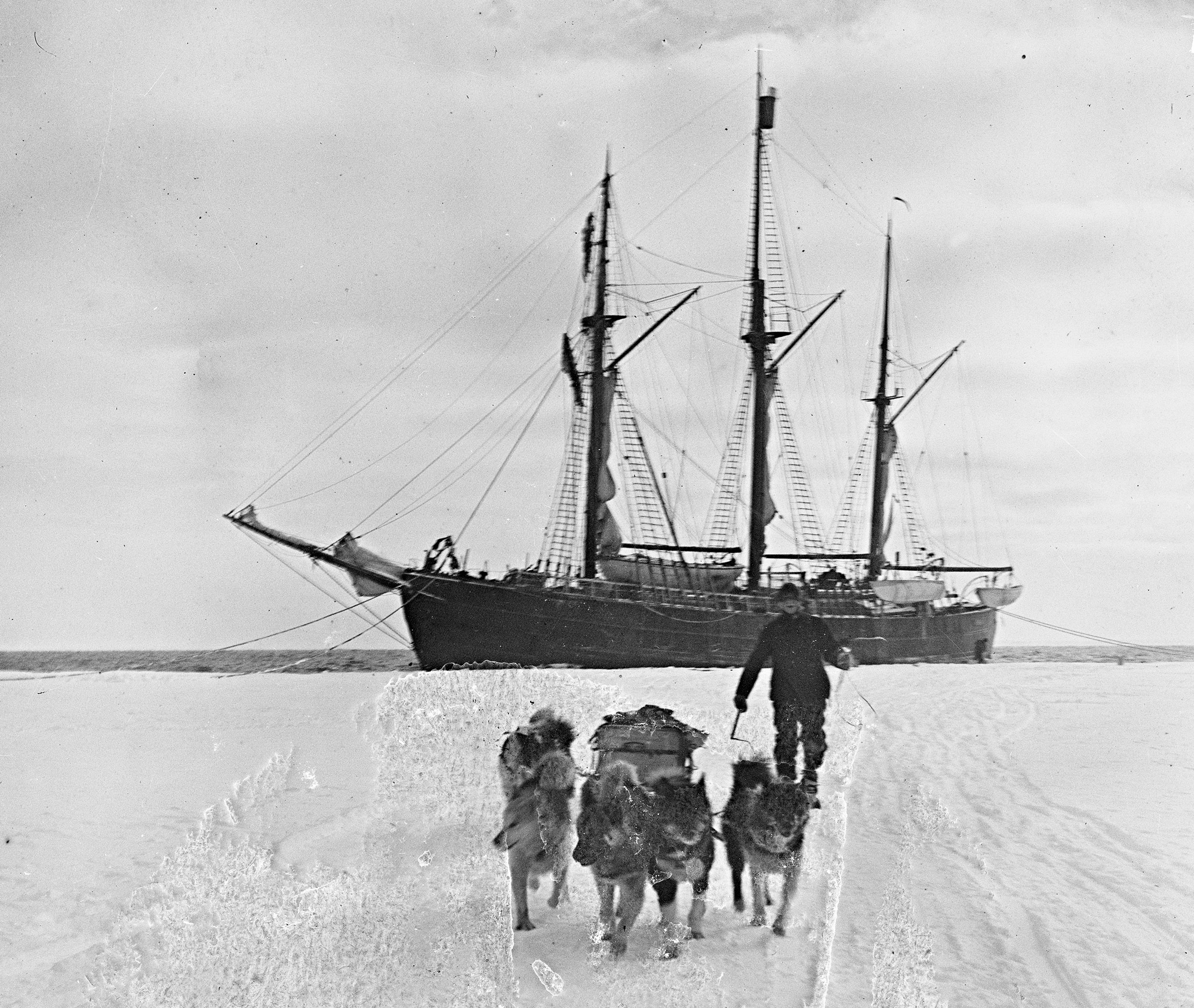
Image result for roald amundsen

FreeTheBox FreeTheBox FreeTheBox FreeTheBox FreeTheBox FreeTheBox FreeTheBox FreeTheBox FreeTheBox FreeTheBox FreeTheBox FreeTheBox FreeTheBox FreeTheBox FreeTheBox FreeTheBox FreeTheBoxFreeTheBox FreeTheBox FreeTheBox FreeTheBox FreeTheBox FreeTheBox.

Image result for roald amundsen

FreeTheBox FreeTheBox FreeTheBox FreeTheBox FreeTheBox FreeTheBox FreeTheBox FreeTheBox FreeTheBox FreeTheBox FreeTheBox FreeTheBox FreeTheBox FreeTheBox FreeTheBox FreeTheBox FreeTheBox.

FreeTheBox FreeTheBox FreeTheBox FreeTheBox FreeTheBox FreeTheBox FreeTheBox FreeTheBox FreeTheBox FreeTheBox FreeTheBox FreeTheBox FreeTheBox FreeTheBox FreeTheBox FreeTheBox FreeTheBox FreeTheBox FreeTheBox FreeTheBox FreeTheBox FreeTheBox FreeTheBox FreeTheBox FreeTheBox FreeTheBox FreeTheBox FreeTheBox FreeTheBox FreeTheBox FreeTheBox FreeTheBox FreeTheBox FreeTheBoxFreeTheBox FreeTheBox FreeTheBox FreeTheBox FreeTheBox FreeTheBox FreeTheBox FreeTheBox FreeTheBox FreeTheBox FreeTheBox FreeTheBox FreeTheBox.

Penguins

Penguins are flightless birds that have left their life in the air for that of the water. They are now excellent swimmers and can dive to great depths.

Our case of birds includes;

Adelie,

Chinstrap,

Emperor,

Gentoo,

King,

Macaroni,

Rockhopper,

Royal.


Their diet is just fish and krill, and they themselves are food for others.

Byrd Station mystery

On an Antarctic research station in the May of 1965 a scientist disappeared, leaving nothing but footprints in the snow.

Carl Disch was a young researcher on Byrd Station, when on May 6th 1965 he was in one of the outlying buildings of the station, linked to another building by a hand line. After he left the building (presumably to return to the others) he was never seen again.

With the temperature at -45 and winds of 25 – 30 knots, the environment was incredibly hostile, and after his fellow researchers noticed his disappearance they grew worried and began to search for him.

All they found was footprints. Leading off into the snow, West towards a runway. Despite a search neither Carl or his body were found. Despite following the tracks they noticed no shortening of stride and they didn’t lead to anything.

snow


Interestingly shortly after his disappearance his husky Guy also disappeared. Did Carl return from the ice to claim his dog, or did the dog break free and go looking for him.

The question remains why did Carl leave the safety of the building, why ignore the hand line, did he walk towards the runway because he saw something, what happened to him, and why wasn’t he found.

Did he die either by accident or intent, consumed by the snow, or did he continue to live either in Antarctica or secretly leaving it defecting to Russia (after all it he was a scientist and it was the 60’s), or some other explanation. We might never know.

Antarctic Treaty System

FreeTheBox FreeTheBox FreeTheBox FreeTheBox FreeTheBox FreeTheBox FreeTheBox FreeTheBox FreeTheBox FreeTheBox FreeTheBox FreeTheBox FreeTheBox FreeTheBox FreeTheBox FreeTheBox FreeTheBox FreeTheBox FreeTheBox.

Image result for antarctic treaty system

FreeTheBox FreeTheBox FreeTheBox FreeTheBox FreeTheBox FreeTheBox FreeTheBox FreeTheBox FreeTheBox FreeTheBox FreeTheBox FreeTheBox FreeTheBox FreeTheBox FreeTheBox FreeTheBox FreeTheBox FreeTheBox FreeTheBox FreeTheBox FreeTheBox FreeTheBox FreeTheBox FreeTheBox FreeTheBox FreeTheBox FreeTheBox FreeTheBox FreeTheBox.

FreeTheBox FreeTheBox FreeTheBox FreeTheBox FreeTheBox FreeTheBox FreeTheBox FreeTheBox FreeTheBox FreeTheBox FreeTheBox FreeTheBox FreeTheBox FreeTheBox FreeTheBox FreeTheBox FreeTheBox FreeTheBox FreeTheBox FreeTheBox FreeTheBox FreeTheBox FreeTheBox FreeTheBox FreeTheBox.

FreeTheBox FreeTheBox FreeTheBox FreeTheBox FreeTheBox FreeTheBox FreeTheBox FreeTheBox.

FreeTheBox FreeTheBox FreeTheBox FreeTheBox FreeTheBox FreeTheBox FreeTheBox FreeTheBox FreeTheBox FreeTheBox FreeTheBox FreeTheBox FreeTheBox FreeTheBox FreeTheBox FreeTheBox FreeTheBox FreeTheBox FreeTheBox FreeTheBox FreeTheBox FreeTheBox FreeTheBox FreeTheBox FreeTheBox.

Seals

The Antarctic is home to very few groups of marine mammals, seals being one of them.

There are six different species of seal live in Antarctic waters;

Ross,

Weddell,

Crabeater,

Leopard,

Fur, and Elephant seals.

Fur seals being the smallest at 150 kg and an Elephant seals weigh to 4000kg, don’t let that one roll over you.


Food

Depending on species, the intact of seals can go from simple krill, squid or fish, larger species will go after penguins and other seal species.